
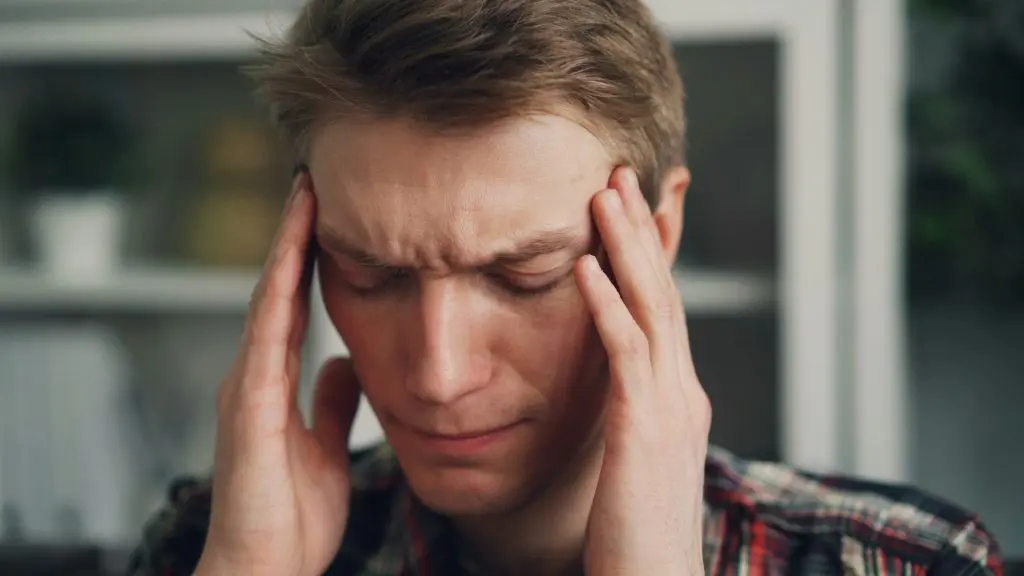
Do you ever wake up with a sore jaw, dull headache, or sensitive teeth? You might be grinding your teeth in your sleep without even realizing it. This unconscious habit is called “bruxism,” and it affects millions of people. But it’s nothing to take lightly—bruxism is a serious problem that can permanently damage your teeth if left untreated.
From daily stress and anxiety to sleep disorders or too much caffeine, there are many causes of teeth grinding at night. The important thing is that you seek treatment in time. Here’s how to recognize the signs and symptoms of bruxism, and how dentists can treat this condition.
Common Causes of Bruxism
Teeth grinding often happens while you’re asleep, which makes it difficult to notice until symptoms start to appear. While the exact cause varies from person to person, these are among the common causes for bruxism that dentists and healthcare providers often identify during evaluations.
- One of the most frequent triggers is stress and anxiety. When your body carries tension into the night, it can lead to unconscious clenching and grinding of the teeth as a physical outlet for that stress.
- Another common factor is sleep disorders. Conditions like sleep apnea, snoring, or disrupted sleep patterns often increase the likelihood of night bruxism. The body’s struggle for proper rest can cause the jaw muscles to tighten, resulting in grinding during the lighter stages of sleep.
- Bite misalignment may also play a role. When the teeth don’t fit together properly, the jaw can overcompensate by grinding to find a better resting position. This constant adjustment puts extra strain on the teeth and jaw over time.
- Lifestyle choices like excess caffeine, alcohol, or tobacco use contribute as well. These stimulants and irritants can disrupt normal sleep cycles and muscle relaxation, making bruxism more likely.
- In some cases, medications or health conditions (such as certain antidepressants or neurological issues) are also linked to bruxism.
Signs and Symptoms of Bruxism
Because bruxism often happens at night, many people don’t realize they grind their teeth until noticeable problems arise. Recognizing the signs early is important, as untreated grinding can lead to long-term dental and jaw issues. By watching for these warning signs, you can take action before bruxism causes significant damage or discomfort.
Common symptoms of night bruxism include:
- Worn or flattened molars: Continuous grinding wears down the tooth surface, leaving the teeth shorter, flatter, or chipped.
- Tooth sensitivity: Grinding wears down the enamel, which makes the teeth more vulnerable to decay and sensitivity. Enamel loss can cause discomfort when eating or drinking hot, cold, or sweet foods.
- Jaw pain or tightness: Pressure placed on the jaw muscles during grinding may cause soreness, stiffness, or difficulty opening the mouth fully.
- Frequent headaches: Tension from jaw clenching often spreads to the temples, resulting in dull morning headaches.
- Ear pain or ringing: Because the jaw joint is close to the ears, grinding can create pain or ringing unrelated to infection.
- Interrupted sleep: Some people wake themselves up from grinding, or their partners may notice the sound at night.
How Can Bruxism Be Prevented?
Not every case of bruxism can be avoided, but preventive steps can greatly reduce its frequency and impact. Focusing on stress relief, good oral care, and healthy sleep habits can make a noticeable difference. Taking these steps will also support good oral health and a better quality of sleep.
- Schedule regular dental checkups: Early detection allows dentists to spot enamel wear or jaw strain before problems worsen.
- Manage stress effectively: Activities like meditation, yoga, or journaling can help release tension that often triggers nighttime grinding.
- Create a calming bedtime routine: Reading, taking a warm bath, or practicing deep breathing relaxes jaw muscles and promotes better sleep.
- Be mindful of caffeine and alcohol: Cutting back on stimulants and irritants, especially in the evening, lowers the risk of nighttime grinding.
- Watch for daytime clenching: Becoming aware of jaw tension during the day and practicing relaxation can break the cycle.
- Use protective appliances if needed: Even before damage occurs, a dentist-prescribed mouthguard can provide effective protection.
Get Treatment for Bruxism at Copper Creek Dental in Daybreak
Bruxism may seem like a minor problem, but over time it can lead to significant tooth wear, persistent pain, and disrupted sleep. By avoiding what causes teeth grinding (Bruxism) at night, recognizing the warning signs, and seeking treatment early, you can protect your smile and your oral health.
If you suspect you may be grinding your teeth at night, don’t wait until the damage becomes severe. Contact us today at Copper Creek Dental to learn more about bruxism treatment and take the first step toward lasting relief.
Images used under creative commons license – commercial use (10/06/2025) Photo by Vitaly Gariev on Unsplash