
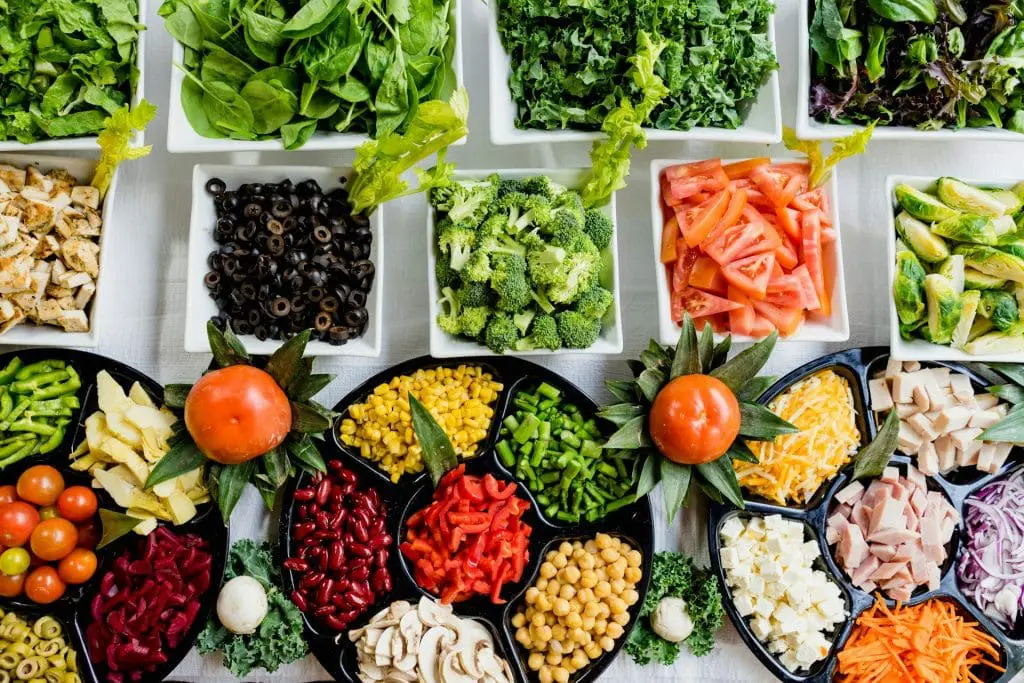
Did you know that what you eat directly affects your oral health? You probably know that eating lots of sugar feeds the harmful bacteria in your mouth, causing plaque to build up, cavities, and gum disease. But are there any foods that are actually good for your teeth?
Yes! The best foods for your teeth are low in sugar and high in fiber, minerals, and antioxidants. For instance:
- High-fiber foods help increase saliva flow and prevent dry mouth.
- Foods high in calcium and phosphorus help remineralize the tooth enamel.
- Foods rich in antioxidants help fight inflammation and gum disease.
From apples to yogurt, here’s what you should be eating if you want better oral health.
Ten Best Foods for a Healthy Mouth
1. Apples
We like to call apples “nature’s toothbrush” because they scrub teeth as you chew. Apples are high in fiber, and their high water content also helps neutralize acids that would otherwise attack your tooth enamel. While eating apples can’t beat the power of brushing, they’re a great snack that helps keep your teeth clean between meals.
2. Strawberries
Fibrous strawberries are high in Vitamin C, which helps improve gum health by boosting your immune system and helping your body fight off infections like gum disease. Strawberries can even help remove minor surface stains, because their malic acid acts as a gentle exfoliant. Eat them raw, with plain yogurt, or in a smoothie.
3. Carrots
Carrots are high in fiber, Vitamin A, and keratin, which help keep your gums healthy and cavities at bay. Carrots are best for your teeth when eaten raw and crunchy. Like apples, they can help remove plaque from your teeth while you eat. Chewing crunchy carrots also increases circulation to the gums, which helps keep them healthy.
4. Cheese
Cheese is high in calcium and phosphorus, helping remineralize enamel. Cheese also helps neutralize acids and restore balance to the pH of your saliva. It can even form a protective film on teeth, reducing the damage from acid attacks. Aged or firm cheeses like cheddar, Monterey Jack, Swiss, and Brie are best for teeth. But avoid heavily processed cheeses, because they often have added sugar.
5. Yogurt
The probiotics in yogurt help reduce the harmful bacteria that weaken teeth. Dairy yogurt also contains casein, which helps protect the teeth by forming a film on the enamel that shields it from the acids produced by plaque and tartar. Plus, the high amounts of calcium and phosphorus in yogurt strengthen teeth. Just make sure to avoid sugary, flavored yogurts, since they will feed the bad bacteria and cause more damage.
6. Nuts
Almonds, hazelnuts, and peanuts are particularly beneficial because they contain Vitamin E, which protects against gum inflammation. Nuts are also full of calcium and phosphorus, keeping teeth strong and healthy. If you’ve had a lot of dental work, you may want to avoid hard nuts, which can cause cracked teeth and other damage. As long as they don’t have added sugar, nut butters can be an excellent option.
7. Salmon
Salmon is rich in calcium and phosphorus, which help strengthen enamel. The Omega-3 fatty acids in salmon help fight off gum disease by reducing redness, swelling, and bleeding. Salmon is also high in Vitamin D, which helps your body absorb calcium better so it can repair your tooth enamel. Salmon also contains zinc, which can neutralize bad breath.
8. Broccoli
The iron in broccoli can also help form an acid-resistant barrier that protects teeth from stains, while vitamin C helps strengthen gums. Broccoli is rich in fiber, calcium, and phosphorus, which protect and strengthen enamel. Eat broccoli raw or lightly steamed to maximize its benefits.
9. Spinach
The high levels of Vitamin A and folic acid in spinach can help prevent gum disease. The high fiber, calcium, and phosphorus content helps prevent tooth decay. Since cooking spinach reduces its volume, you can eat much more of it and get more nutrients than when you eat it raw.
10. Kale
Kale is high in Vitamins K, C, and A, which reduce gum inflammation. It also contains nitrates that help prevent bacteria overgrowth. The fiber, calcium, and phosphorus in kale also protect teeth from bacteria. Kale is just as nutritious when it’s cooked as when it’s raw. You can steam it or sauté it for dinner, or blend it up in a green smoothie.
Are You Due for a Dental Visit?
No matter how healthy your diet is, you still need routine dental checkups. A professional cleaning is the only way to remove tartar buildup between your teeth and below the gumline. And if you have a small cavity or gingivitis, getting treatment right away will keep a small problem from turning into a bigger one. If you’re due for an exam and cleaning, contact Copper Creek Dental in South Jordan to schedule an appointment today.
Images used under creative commons license – commercial use (5/29/2026). Photo by Dan Gold on Unsplash

Dr. Jared Curtis graduated from Case Western Reserve University in 2013, and joined Copper Creek Dental in 2014, where he committed to staying at the forefront of dental technology. He has embraced innovations such as Cerec, CO2 lasers, intraoral cameras, and guided biofilm therapy. His training in prosthodontics, surgery, alignment, and occlusion enhances his practice, but it is the interactions with patients that he treasures most. He enjoys getting to know their stories and helping them achieve confident, healthy smiles.